
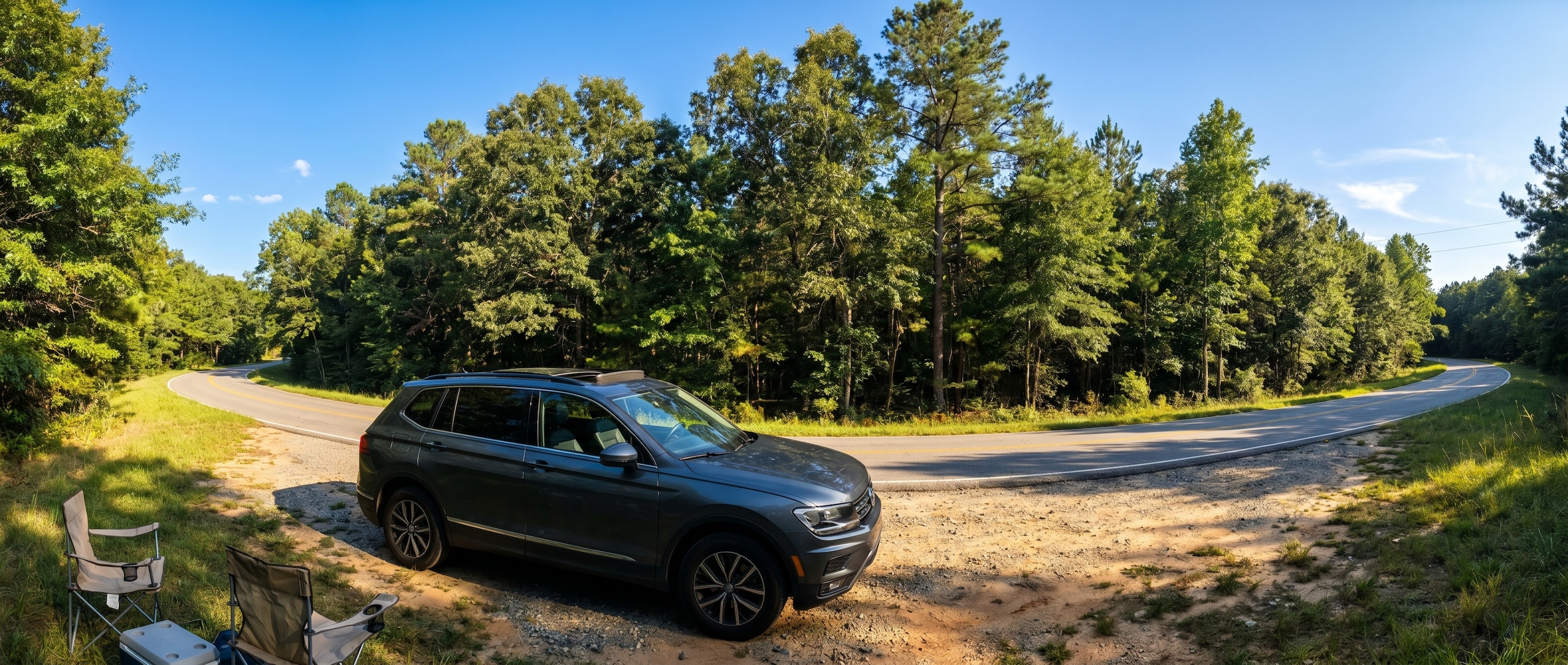
South Carolina's Upstate summers are no joke - ultraviolet intensity here rivals coastal regions, and the combination of heat, humidity, and afternoon thunderstorms creates a uniquely punishing environment for rubber seals and drainage systems. If your Volkswagen® has a sunroof, that panoramic panel above your head is one of the most overlooked maintenance points on the entire vehicle. A small oversight with seal care in June can turn into a soaked headliner or a musty interior smell by August, and neither is a cheap fix.
This guide covers what actually happens to sunroof seals during Greenville, SC summers, how to spot problems before they become water damage, and what you can do right now to protect your investment.
What Upstate Heat Actually Does to Sunroof Seals
Sunroof seals are made of EPDM rubber, a material engineered specifically for weather resistance - but it has limits that Greenville summers test regularly. Sustained heat above 90°F causes rubber to contract and lose flexibility over time, which is exactly what the Upstate delivers from June through September.
When rubber loses flexibility, two things happen:
- Compression set - the seal stops returning to its original shape after being compressed by the sunroof panel, creating tiny gaps
- Surface cracking - UV exposure dries out the rubber's plasticizers, leading to small fissures that grow with each heat cycle
The tricky part is that these changes happen gradually. Your seal might look fine to the eye while already failing to form a watertight contact against the glass. That means the first sign of a problem is often water on your seat during one of Greenville's summer afternoon storms - by which point the seal has already been compromised for weeks.
Did you know? Greenville, SC averages over 50 inches of rainfall annually - significantly above the national average of about 38 inches. When you add Upstate thunderstorm season to that total, a properly functioning sunroof seal system isn't optional maintenance, it's essential protection.
The Drainage System: The Part Everyone Forgets
Most drivers assume sunroof seals are the only line of defense against water intrusion. They are not.
Every panoramic and standard sunroof on Volkswagen models like the Tiguan™ and Atlas™ includes a four-corner drainage channel system that routes water away from the seal and down through tubes that exit at the vehicle's rocker panels or near the wheels. This system works quietly in the background - until it doesn't.
During Greenville summers, drainage tubes face two specific threats:
- Organic debris accumulation - pollen, oak and pine tree material, and seed pods from parking near Falls Park or Prisma Health Swamp Rabbit Trail areas collect in the drainage channels and form dense plugs
- Heat-related kinking - prolonged heat can cause drainage tube material to soften and kink at bends, restricting flow
A blocked drain doesn't produce an obvious exterior symptom. The water simply has nowhere to go and finds the path of least resistance - often through the seal or into the headliner cavity. The result looks like a seal failure when the actual culprit is a clogged drain.
How to check your drainage channels at home:
- Open the sunroof fully and locate the four drainage holes at each corner of the sunroof tray (they look like small slots or holes)
- Pour a small amount of water into each corner channel
- Watch to confirm water flows through and exits at the bottom of the vehicle - usually near the front wheel wells or door sills
- If water pools and doesn't drain within 30-45 seconds, that channel needs attention
Pro tip: Use a thin, flexible wire or a can of compressed air to gently clear debris from drainage channels. Never use sharp tools that can puncture the tube itself. If a drain won't clear with gentle pressure, have a service technician clear it properly to avoid damage.
Reading the Signs: How to Identify Seal Problems Early
Catching seal deterioration early is the difference between a minor service visit and a major interior repair. Here's what to look for before water ever reaches the cabin of your Jetta™ or Taos™.
| Warning Sign | What It Indicates | Urgency Level |
|---|---|---|
| Sunroof makes whistling sound at highway speed | Seal no longer compressing fully against glass | Address within 2-4 weeks |
| Visible cracking or hardness on rubber seal | UV degradation, seal losing flexibility | Schedule inspection soon |
| Water spots inside the sunroof tray | Drainage partially blocked, not yet failing | Check drains, monitor closely |
| Musty smell from HVAC vents | Moisture in headliner cavity | Inspect immediately |
| Water on seat or floor after rain | Active leak - seal or drain failure | Immediate service needed |
| Sunroof glass sits unevenly when closed | Possible seal compression failure or alignment issue | Inspect before next rain |
One of the more subtle signs that drivers in the Greenville area frequently miss is a faint whistling from the roofline on I-385 or I-85 at highway speeds. That sound means outside air is passing through a gap the seal should be closing. It's easy to dismiss as road noise - especially in a quieter cabin like the Golf GTI™ - but it's one of the clearest early indicators that seal contact is compromised.
How to Maintain Seals Through the Greenville Summer
Preventing seal failure costs far less than repairing the results of one. These steps are straightforward and most can be completed in under 20 minutes.
Monthly seal maintenance during summer months:
- Clean the seal surface - use a mild soap solution and a soft cloth to remove road film, tree sap, and pollen from the seal. Sap from pine trees common throughout the Upstate acts like an adhesive that bonds to rubber and degrades it over time
- Apply rubber conditioner - a silicone-based or EPDM-safe rubber conditioner restores flexibility and provides UV protection. Products designed for automotive weatherstripping work well; avoid petroleum-based products which degrade rubber over time
- Inspect the seal visually - run your finger along the full perimeter. Feel for areas that are hard, flattened, or cracked rather than soft and slightly springy
- Clear the drainage channels - do this every 4-6 weeks during peak pollen and storm season
- Exercise the sunroof panel - opening and closing the sunroof fully once a week keeps mechanical components lubricated and helps the seal maintain its compression pattern evenly
If you regularly park at destinations like Greenville's Fluor Field area, downtown Main Street, or near Furman University where tree coverage is significant, consider increasing your debris-clearing frequency.
Did you know? Volkswagen panoramic sunroofs, like those available on the Atlas Cross Sport™, can span nearly the full length of the vehicle's roof. Larger glass areas mean longer seal perimeters, more drainage channels, and more surface area for UV exposure - all reasons why panoramic roof maintenance is especially important in high-heat climates like Upstate South Carolina.
Parking Habits That Make a Real Difference
Where you leave your Volkswagen matters just as much as what you apply to the seals. Greenville's summer UV index regularly hits levels 8 and above, which puts direct sun exposure in the same category as Florida and coastal Georgia for rubber degradation purposes.
Simple parking strategies that protect your sunroof seals:
- Choose shaded parking when available - the parking structures near Haywood Mall or covered spots near downtown Greenville dramatically reduce UV exposure compared to open-surface lots
- Use a sunshade inside the cabin - even with the sunroof closed, a windshield sunshade reduces interior temperatures significantly, which indirectly lowers the heat stress on roof seals
- Avoid nose-in parking against west-facing walls in the afternoon - afternoon sun in the Upstate hits the driver's side hard from June through August, concentrating heat on one side of the roofline
Parking in a garage overnight also allows the vehicle and its rubber components to cool fully between days rather than retaining heat through the evening. This matters more than most drivers realize - rubber that never gets a chance to cool and rest ages measurably faster than rubber that cycles between heat and cooler temperatures.
Common Questions About Sunroof Seal Care in Greenville, SC
How often should I condition my Volkswagen's sunroof seals in Greenville's climate?
Condition your Volkswagen sunroof seals every 4-6 weeks during summer months in Greenville, SC. The Upstate's combination of intense UV exposure, high humidity, and frequent storms creates more wear on rubber seals than the national average. Winter conditioning every 8-10 weeks is generally sufficient, but increasing frequency during June through September protects the seal before degradation becomes visible.
Can I use any rubber protectant on my VW sunroof seal, or does it need to be a specific product?
Use only silicone-based or EPDM-compatible rubber conditioners on your Volkswagen sunroof seals. Petroleum-based dressings, such as tire shine products, chemically break down EPDM rubber over time and accelerate cracking rather than preventing it. Look for products specifically labeled for automotive door or window weatherstripping, and avoid anything with petroleum distillates listed in the ingredients.
What causes the musty smell coming from my Volkswagen's vents after rain?
A musty smell from your Volkswagen's HVAC vents after rain typically means moisture has reached the headliner cavity or the cabin air intake area, usually through a compromised sunroof seal or blocked drainage channel. This is not a problem that resolves on its own. Once moisture is inside the headliner, it creates conditions for mold growth. A service inspection to locate and address the source is the right step before running the heat or air conditioning further.
Is it normal for my Volkswagen sunroof to whistle on the highway in Greenville?
No - whistling from the sunroof area at highway speeds is not normal and signals that the seal is no longer creating a full contact barrier against the glass panel. Greenville drivers frequently notice this on I-85 or Highway 123 where consistent highway speeds make the gap audible. The seal may need conditioning to restore flexibility, or it may need replacement if compression set has become permanent. Schedule an inspection early rather than waiting until the next rainstorm confirms the issue.
How do I know if my sunroof drain is clogged versus my seal is actually failing?
A clogged drain typically shows water pooling in the sunroof tray itself before any interior intrusion - you'll notice standing water around the glass edges after rain. A failing seal more often allows water to bypass the tray entirely and appear directly on interior surfaces like the headliner edge or pillar trim. In practice, both issues can occur simultaneously, which is why a full sunroof inspection should evaluate the seal condition, tray drainage, and drain tube flow together rather than assuming one cause.
Where can I get my Volkswagen sunroof seal inspected in Greenville, SC?
Volkswagen-trained technicians in Greenville, SC can inspect your sunroof system, check seal condition, clear drainage channels, and identify any alignment or mechanical issues specific to your model. Bringing your vehicle in before visible water damage occurs is significantly less involved than an interior repair after moisture has already entered the cabin. It's time to schedule service if you've noticed any of the warning signs covered in this guide.
Protect What's Above You Before the Next Storm Rolls In
Greenville summers reward drivers who stay ahead of maintenance - and punish those who wait for visible problems. Your Volkswagen's sunroof seals and drainage system are designed to handle real weather, but they need consistent attention to do that job through years of Upstate heat cycles, pollen seasons, and afternoon storms. A few minutes of inspection and a basic conditioning routine each month is genuinely all it takes to prevent the kind of water intrusion that turns a small maintenance task into a significant repair.
The team at Steve White Volkswagen is ready to inspect your sunroof system, identify any early signs of seal wear, and keep your vehicle protected through everything Upstate South Carolina's summer can deliver.
Categories:
Social